


close
Choose Your Site
Global
Social Media
Views: 222 Author: Rebecca Publish Time: 2026-02-02 Origin: Site


Content Menu
● Core Properties of HPMC That Matter to Formulators
>> 3. Film-Forming and Binding
>> 5. Safety and Biocompatibility
● Major Applications of HPMC by Industry
>> Construction: Mortars, Tile Adhesives, and EIFS
>> Pharmaceuticals: Tablets, Coatings, and Capsules
>> Food Industry: Thickener and Gelatin Alternative
>> Personal Care and Cosmetics
● HPMC Market Trends and Sustainability
● How to Choose the Right HPMC Grade
>> 1. Define Your Application and Function
>> 2. Select an Appropriate Viscosity Level
>> 3. Consider Substitution Type and Gel Temperature
>> 4. Optimize Particle Size and Surface Treatment
● Practical Formulation Tips with HPMC
>> Step-by-Step: Dispersing HPMC in Water
>> Common Troubleshooting Scenarios
● HPMC vs HEMC and HEC: When to Use Each
● Real-World Case Examples of HPMC Use
>> Case 1: Upgrading Tile Adhesive Performance
>> Case 2: Controlled-Release Tablet Development
● Why Partner with a Professional Cellulose Ether Manufacturer
● Call to Action: Get Tailored HPMC Solutions for Your Formulation
● Frequently Asked Questions (FAQ)
>> 1. Is HPMC safe for food and pharmaceutical use?
>> 2. How does HPMC improve tile adhesive performance?
>> 3. Can HPMC replace gelatin in vegetarian products?
>> 4. What is the difference between HPMC and HEMC?
>> 5. How do I choose the right HPMC viscosity grade?
Hydroxypropyl Methylcellulose (HPMC) is a multi-functional cellulose ether used across construction, pharmaceuticals, food, personal care, and many other industries, where it acts as a thickener, water-retention agent, film-former, binder, and stabilizer. Its unique balance of performance, safety, and cost makes HPMC a core ingredient in tile adhesives, wall putty, tablets, capsules, cosmetics, and processed foods worldwide.

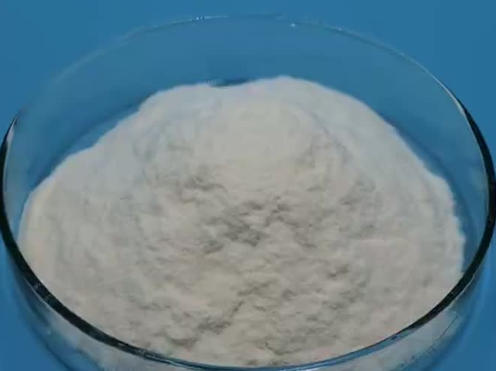
HPMC (Hydroxypropyl Methylcellulose) is a semi-synthetic polymer derived from natural cellulose (usually cotton or wood pulp) modified with methyl and hydroxypropyl groups to tailor its solubility and functionality. It is typically a white or off-white, odorless, tasteless powder that dissolves in cold water to form clear or slightly opalescent solutions.
Key characteristics include:
- Non-ionic cellulose ether, compatible with many salts and additives.
- Soluble in cold water, forming stable, pseudoplastic solutions.
- Excellent film-forming and adhesive properties.
- Stable over a broad pH range, depending on the grade.
- Native cellulose is insoluble in water and many solvents, limiting its direct use in formulations.
- After etherification, HPMC becomes water-soluble, with controlled viscosity, gelation, and film-forming properties tailored for industrial applications.
The functional behavior of HPMC in your formulation depends mainly on:
- Degree of substitution (methoxy and hydroxypropyl content)
- Molecular weight (reflected in viscosity)
- Particle size and surface treatment
HPMC grades are typically classified by viscosity, measured in aqueous solution at a specified concentration and temperature. Higher viscosity grades give stronger thickening, better water retention, and improved sag resistance, while lower viscosity grades offer better flow and leveling.
In practice:
- Low viscosity: good for sprayability, pumpability, and low build-up coatings.
- Medium viscosity: balance between workability and stability in mortars or creams.
- High viscosity: strong anti-sag, high water retention, and film strength, used in tile adhesives and controlled-release tablets.
HPMC can hold water within cementitious or gypsum systems, slowing evaporation and enabling proper hydration of cement or gypsum crystals. This leads to:
- Longer open time and working time.
- Reduced risk of cracking and dusting.
- Better final strength and adhesion.
When water evaporates, HPMC can form flexible, transparent films, which is critical in coatings, tablet coatings, and food films. Its binding strength helps granules and powders form robust tablets, pellets, or agglomerates without excessive friability.
HPMC solutions exhibit thermo-gelation: they form a reversible gel when heated above a certain temperature and revert to solution when cooled. This gelation behavior is used in:
- Controlling slump and sag in mortars at elevated temperatures.
- Stabilizing food and pharmaceutical systems during processing.
HPMC is widely recognized as non-toxic, non-irritating, and biocompatible, and is used as an excipient in oral and topical pharmaceutical products as well as a food additive. Its plant-based origin also makes it suitable for vegetarian and vegan applications, such as HPMC capsules and gelatin alternatives.
HPMC is a platform ingredient with roles spanning many sectors.
In construction, HPMC is a key additive in:
- Tile adhesives and tile grouts
- Cement-based renders and plasters
- Gypsum-based plasters and joint compounds
- Self-leveling underlayments and EIFS systems
Its functions include:
- Thickening and rheology control for better workability.
- Water retention for complete cement hydration.
- Anti-sag and slip resistance on vertical surfaces.
- Improved adhesion, cohesion, and open time.
Pharmaceutical-grade HPMC (often called hypromellose) is used as:
- Binder and disintegrant in tablet cores.
- Film-former in immediate-release and controlled-release coatings.
- Matrix former in extended-release tablets.
- Shell material for hard HPMC capsules.
HPMC's biocompatibility and controlled hydration and gelation allow formulators to design sophisticated release profiles, especially in oral solid dosage forms. The market for HPMC capsules is growing quickly along with demand for vegetarian, clean-label dosage forms.
In foods, HPMC serves as:
- Thickener and stabilizer in sauces, dressings, and processed foods.
- Emulsifier improving texture and mouthfeel.
- Vegetarian alternative to gelatin in confectionery and capsules.
This aligns with the growing demand for plant-based ingredients in global markets.
In personal care, HPMC is extensively applied in:
- Shampoos and shower gels as a viscosity modifier and foam stabilizer.
- Creams and lotions as an emulsifier, stabilizer, and film-former.
- Gels, serums, and masks for texture control and sensorial profile.
It improves spreadability, prevents phase separation, and provides a smooth, elegant skin feel.
Additional uses include:
- Ceramics: binder and plasticizer in ceramic bodies and glazes.
- Paints and coatings: thickener, leveling agent, and spatter reducer in water-based paints.
- Adhesives: rheology control and water retention in many water-borne adhesive systems.
Global demand for HPMC continues to grow, driven by construction activity, pharmaceutical innovation, and demand for eco-friendly materials. Market analyses forecast steady expansion in both volume and value in the coming years.
From a sustainability perspective:
- HPMC is derived from renewable cellulose sources and is biodegradable and non-toxic, supporting greener product development.
- Its ability to enhance durability and energy efficiency in construction, such as in EIFS and high-performance mortars, also contributes to the life-cycle sustainability of buildings.
Selecting the right HPMC grade is critical to achieving stable, high-performance formulations.
Start by clarifying:
- Industry and product type, for example tile adhesive, wall putty, EIFS, tablet, shampoo, or food product.
- Target functions: thickening, water retention, film-forming, binding, lubrication, or controlled release.
For example:
- Tile adhesive: focus on water retention, open time, and slip resistance.
- Tablet matrix: focus on controlled swelling, gel strength, and reproducible dissolution.
General guidelines:
- Low viscosity: suitable for self-leveling mortars, spray plasters, and some coatings needing high flow.
- Medium viscosity: typical for standard tile adhesives, wall putty, shampoos, and lotions.
- High viscosity: used for high-performance tile adhesives, EIFS base coats, and controlled-release tablets where strong gels are required.
Viscosity should be tested under realistic shear conditions, because HPMC solutions are typically pseudoplastic and shear-thinning.
Different substitution patterns influence:
- Gel temperature and thermal stability.
- Hydrophilicity, compatibility with other polymers, and final texture.
For example, grades with higher hydroxypropyl content generally show higher flexibility and different gelation behavior, which can be advantageous in coatings or pharmaceutical matrices.
- Finer particle sizes hydrate faster, giving quicker viscosity build, but may require careful dispersion to avoid lump formation.
- Surface-treated, delayed-solubility grades help prevent premature lumping in dry-mix systems, allowing better dispersion before viscosity develops.
To get consistent performance from HPMC in real-world production, it is vital to follow structured handling steps.
1. Add the required amount of clean, cool water into a mixing tank.
2. Start medium-speed agitation to create a vortex.
3. Slowly sprinkle HPMC powder into the vortex, avoiding dumping it in one spot.
4. Continue mixing until the powder is well dispersed and free of dry pockets.
5. Allow sufficient hydration time; viscosity will build as HPMC fully dissolves.
6. Adjust solids, pH, and other additives only after the solution reaches near-final viscosity.
For dry-mix mortars, HPMC is pre-blended with cement, fillers, and other admixtures, then activated when the user adds water on site.
- Lumps in solution: add powder more slowly, increase agitation, or use surface-treated grades.
- Inconsistent viscosity: control water temperature, mixing time, and batch concentration more tightly.
- Poor workability in mortar: check HPMC dosage, viscosity grade, and interaction with cement type or other admixtures.
HPMC is often compared to other cellulose ethers like HEMC (Hydroxyethyl Methylcellulose) and HEC (Hydroxyethyl Cellulose). These polymers share a cellulose backbone but differ in substitution groups, solubility, and performance profiles.
| Property / Aspect | HPMC | HEMC (MHEC) | HEC |
|---|---|---|---|
| Main substitution | Methoxy + hydroxypropyl | Methoxy + hydroxyethyl | Hydroxyethyl only |
| Ionic character | Non-ionic | Non-ionic | Non-ionic |
| Water retention in mortars | High, widely used in tile adhesives | High, very common in wall putty and plasters | Moderate, more for paints |
| Thermal gelation | Pronounced thermo-gelation | Thermo-gelation, generally higher gel temperature | Weak or no gelation |
| Typical uses | Construction, pharma, food, personal care | Construction putty, plasters, some paints | Paints, coatings, personal care |
| Vegan capsule use | Yes, capsules and films | Rare | Not typical |
In practice:
- Choose HPMC when you need strong water retention, gelation, and film-forming across construction and pharmaceutical systems.
- Choose HEMC when optimizing cost-performance in wall putty, plasters, and some paints where slightly different water retention and workability profiles are desired.
- Choose HEC primarily for thickening water-based paints and personal care products where high clarity and non-gelating rheology are preferred.
A tile adhesive formulator targeting large-format tiles on vertical walls needed stronger anti-slip and longer open time. By moving from a medium-viscosity to a higher-viscosity HPMC grade and optimizing dosage, they achieved:
- Noticeably improved sag resistance during installation.
- Open time extended by several minutes, reducing tile adjustment failures.
- Better final adhesion due to improved cement hydration.
A pharmaceutical company developing a once-daily tablet selected a high-viscosity HPMC grade as the matrix former. By adjusting HPMC concentration and grade, they tuned:
- Gel layer thickness and strength.
- Drug release profile over 24 hours, improving patient compliance.
- Robustness to pH and agitation changes in the gastrointestinal tract.
Because HPMC performance depends on parameters like substitution level, particle size, and purity, working with an experienced cellulose ether producer is essential. A reliable manufacturer can provide:
- Application-specific grades for construction, pharmaceuticals, food, or personal care.
- Technical support, from lab evaluation to on-site formulation optimization.
- Consistent quality, secure supply, and documentation for regulatory compliance.
For customers in construction powders, daily chemicals, or pharmaceuticals, accessing a full portfolio of HPMC, HEMC, and HEC allows fine-tuning of rheology, workability, and stability across product lines.
If you are formulating tile adhesives, wall putty, EIFS systems, tablets, capsules, cosmetics, or food products, choosing the right HPMC grade can dramatically improve performance, processability, and cost-effectiveness. Partner with a professional cellulose ether manufacturer that specializes in HPMC, HEMC, and HEC to obtain technical recommendations, customized grades, and long-term supply support for your projects.
Contact our technical team with your target application, viscosity range, and performance requirements to:
- Get expert grade selection advice and formulation optimization suggestions.
- Request free lab samples for testing in your existing or new products.
- Discuss long-term cooperation, OEM, or distributor opportunities in your region.
Contact us to get more information!
Yes, HPMC is widely accepted as a safe excipient in oral and topical pharmaceutical products and as a food additive, thanks to its non-toxic, non-irritating, and biocompatible nature. It has a long history of use in tablets, capsules, coatings, and processed foods worldwide.
HPMC enhances tile adhesives by increasing water retention, improving workability, extending open time, and providing anti-slip properties on vertical surfaces. This leads to better wetting of tiles, fewer installation defects, and stronger long-term adhesion.
HPMC can serve as a vegetarian alternative to gelatin in capsules and some food applications, offering similar film-forming and encapsulation properties with plant-based origin. It is especially popular in hard HPMC capsules designed for vegetarians, vegans, and consumers avoiding animal-derived ingredients.
Both are non-ionic cellulose ethers, but HPMC carries methoxy and hydroxypropyl groups, while HEMC has methoxy and hydroxyethyl groups, resulting in different hydration and gelation behavior. HPMC is often preferred in high-performance tile adhesives and pharmaceutical matrices, whereas HEMC is widely used in wall putty, plasters, and some paints for optimized workability and cost-performance.
You should match viscosity to your application and processing needs. Low viscosity grades are suitable for self-leveling, spraying, and low-build coatings, while medium to high viscosity grades are used for tile adhesives, EIFS, and controlled-release tablets where strong gels are required. Always validate viscosity and performance in lab trials under realistic conditions and consult technical experts for fine-tuning dosage and grade selection.
1. https://wotaichem.com/the-ultimate-guide-to-hpmc/
2. https://wotaichem.com/hpmc-grades-breakdown/
3. https://redox.com/products/hydroxypropyl-methylcellulose-hpmc/
4. https://www.celotech.com/news/application-and-property-of-hpmc/
5. https://pmc.ncbi.nlm.nih.gov/articles/PMC12196896/
6. https://www.marketresearch.com/Global-Industry-Analysts-v1039/Hydroxypropyl-Methylcellulose-HPMC-42672906/
7. https://www.towardshealthcare.com/insights/hpmc-capsules-market-sizing
8. https://www.hpmc.com/company-news/hpmc-in-personal-care:-benefits-and-applications.html
9. https://wotaichem.com/hpmc-for-eifs-guide-construction-performance/
10. https://www.youtube.com/watch?v=tfeuuEC1UpA
11. https://www.youtube.com/@WOTAIchem


