


close
Choose Your Site
Global
Social Media


Content Menu
● Chemical Nature and Structure of HPMC
● Key Physical and Functional Properties of HPMC
● Main Industrial Applications of HPMC
>> HPMC in Construction Materials
>> HPMC in Food and Food Supplements
>> HPMC in Cosmetics and Personal Care
>> Other Industrial Uses of HPMC
● Typical Grades and Selection Factors
● Safety, Quality, and Regulatory Status of HPMC
● How HPMC Compares to Other Cellulose Ethers
● Practical Tips for Using HPMC in Formulations
● FAQ
>> 1. What does HPMC stand for?
>> 2. Is HPMC safe for human use?
>> 3. How is HPMC used in construction materials?
>> 4. Why do pharmaceutical companies use HPMC?
>> 5. How do I choose the right HPMC grade for my application?
Hydroxypropyl methylcellulose, often abbreviated as HPMC, is a multifunctional cellulose ether widely used as a thickener, binder, film-former, stabilizer, and water-retention agent in construction materials, pharmaceuticals, food, and personal care products. As a non-ionic, water-soluble polymer derived from natural cellulose, HPMC combines renewable raw materials with modern chemical modification to deliver highly versatile performance in many industrial formulations.

Hydroxypropyl methylcellulose (HPMC) is a chemically modified cellulose ether in which some of the hydroxyl groups on the cellulose backbone are substituted with methoxy and hydroxypropoxy groups. These substitutions make HPMC water-soluble, surface-active, and capable of forming clear, flexible films with adjustable viscosity and gelation properties.
In industrial terminology, HPMC is also known as hypromellose, and it is classified as a non-ionic, water-soluble polymer with excellent biocompatibility and low toxicity. Because of this combination of natural origin and tailored functionality, HPMC is widely accepted in regulated sectors such as pharmaceuticals, food, and personal care, as well as in construction and specialty chemicals.
At its core, HPMC is based on cellulose, the main structural component of plant cell walls, composed of linear chains of β-1,4-linked D-glucose units. In HPMC, some of the hydroxyl groups on these glucose units are replaced by methoxy and hydroxypropoxy substituents, leading to a mixed ether of methylcellulose and hydroxypropyl cellulose.
The degree of substitution and the ratio between methoxy and hydroxypropoxy groups strongly influence the solubility, viscosity, gelation temperature, and film strength of HPMC in application. By precisely controlling these parameters during manufacturing, producers can offer different grades of HPMC optimized for cement-based mortars, gypsum plasters, tile adhesives, pharmaceutical tablets, food products, or cosmetic formulations.
Chemically, HPMC appears as a white or off-white, odorless, tasteless powder that dissolves in water to form colloidal solutions. It also exhibits thermal gelation: an aqueous solution of HPMC can form a gel when heated above a critical temperature, and this behavior is strongly dependent on substitution level, concentration, and grade.
HPMC is produced from refined cellulose, typically derived from wood pulp or cotton linters. The manufacturing process involves several controlled chemical steps designed to introduce methyl and hydroxypropyl groups onto the cellulose backbone while preserving polymer integrity and ensuring high purity.
1. Alkalization of cellulose
Purified cellulose is treated with an alkaline solution (usually sodium hydroxide) to activate the hydroxyl groups on the cellulose chain. This swelling and activation step prepares the cellulose for etherification.
2. Etherification reaction
The activated cellulose reacts with methyl chloride and propylene oxide (or other etherifying agents) to form methyl and hydroxypropyl ether groups on the cellulose backbone. By controlling temperature, pressure, reaction time, and reagent ratios, manufacturers tune the degree of substitution that defines each HPMC grade.
3. Neutralization and washing
After etherification, the reaction mixture is neutralized and thoroughly washed to remove salt byproducts, residual reagents, and low-molecular-weight impurities. This step is critical for achieving the low toxicity and high quality needed for pharmaceutical and food applications.
4. Drying, milling, and classification
The purified wet cake of HPMC is dried, milled into powder, and classified into specific particle-size distributions. Surface treatment or physical modification may also be applied to improve dispersibility and solution preparation behavior.
Modern production lines include strict quality control, where parameters like viscosity, degree of substitution, moisture, and ash content are monitored. This ensures that HPMC grades consistently comply with product specifications and industry standards.
HPMC exhibits a set of functional properties that explain why it is so widely used across industries:
- Water solubility and solution clarity
HPMC dissolves in cold water to form clear to slightly opalescent solutions. Solubility and clarity depend on grade, substitution pattern, and concentration.
- Thickening and rheology control
Solutions of HPMC show strong thickening capability and pseudoplastic (shear-thinning) flow behavior. This allows formulators to tune workability, spreadability, pumpability, and sag resistance in liquid and paste systems.
- Film-forming ability
HPMC can form transparent, flexible films with moderate mechanical strength and good barrier properties to oils and gases. This is valuable in coatings, capsules, and surface treatments.
- Water retention
In cement and gypsum systems, HPMC slows down water loss by evaporation or absorption, improving hydration, adhesion, and curing quality. Good water retention helps prevent premature drying, cracking, and strength loss.
- Emulsifying and stabilizing behavior
Because HPMC is surface-active, it helps stabilize emulsions, foams, and suspensions, reducing phase separation, sedimentation, and creaming.
- Biocompatibility and low toxicity
HPMC has a favorable toxicological profile, which supports its use in oral, topical, and ophthalmic pharmaceutical products, as well as in food and dietary supplements.
In the construction industry, HPMC is one of the most important additives in dry-mix mortars and cement-based or gypsum-based formulations. It improves both fresh-state properties and final performance.
- Tile adhesives and grouts
HPMC enhances workable time, open time, and anti-slip properties of tile adhesives. It improves water retention, enabling better cement hydration, which leads to higher bond strength and reduced tile slippage on vertical surfaces.
- Cement and gypsum plasters
Plasters containing HPMC show improved workability, easier troweling, and better cohesion. Water-retention capability ensures uniform curing, reduces surface cracking, and enhances final smoothness and appearance.
- Self-leveling compounds
In self-leveling underlayments and screeds, HPMC helps control flow and leveling behavior, minimizing segregation and bleeding while maintaining pumpability and surface quality.
- Putty powders and skim coats
HPMC improves the consistency, spreadability, and adhesion of wall putty and skim coats. It contributes to high-finish surfaces with reduced dusting and improved durability.
Construction-grade HPMC is often customized for specific binder systems (cement, gypsum, blended binders) and climatic conditions (hot, dry, or humid environments) to maintain workability and performance stability on-site.
HPMC has a central role in pharmaceutical formulation and drug delivery:
- Tablet binder and matrix former
HPMC serves as a binder in wet granulation, providing mechanical strength and integrity to tablets. In matrix tablets, HPMC hydrates, swells, and forms a gel barrier that controls the diffusion and erosion of active ingredients, supporting sustained or controlled release.
- Film coating for tablets and capsules
HPMC is a primary polymer in aqueous film-coating systems. It creates protective coatings that improve tablet appearance, protect sensitive actives from moisture and light, mask unpleasant tastes, and help adjust disintegration time.
- Hard and soft capsule shells
HPMC is widely used to produce vegetarian hard capsules as an alternative to gelatin. These capsules are suitable for patients with dietary restrictions and show good mechanical strength and disintegration characteristics.
- Ophthalmic solutions and gels
In eye drops and ocular lubricants, HPMC acts as a viscosity enhancer and lubricant, prolonging residence time on the eye surface and providing relief for dry-eye symptoms.
- Topical gels and liquids
HPMC functions as a thickener and stabilizer in topical gels, dermatological creams, and suspensions, improving texture, stability, and patient acceptability.
Because HPMC is inert and non-ionic, it rarely interacts adversely with active ingredients or other excipients, making it a reliable excipient in many dosage forms.
Food-grade HPMC is used as a functional additive to improve texture, stability, and shelf life in many food systems:
- Thickener and stabilizer
HPMC provides viscosity and mouthfeel in sauces, dressings, gravies, soups, and dessert products. It helps maintain a uniform dispersion of ingredients during processing, storage, and serving.
- Emulsifier and suspension aid
In emulsified systems, HPMC supports emulsion stability and reduces separation. It can also help suspend particulates in beverages or semi-liquid foods.
- Fat replacer and bulking agent
HPMC can mimic the creamy texture of fat in low-fat or reduced-calorie products. By forming gels and thickened phases, it provides a satisfying mouthfeel while lowering the overall fat content.
- Confectionery and baked goods
In confectionery and bakery products, HPMC can be used to modify texture, reduce syneresis, and improve structural stability. It also supports glazing and surface finish.
- Vegetarian capsules and dietary supplements
Many dietary supplement manufacturers use HPMC capsules as a plant-based alternative for encapsulating vitamins, herbal extracts, and nutraceuticals.
HPMC is a popular ingredient in cosmetics and personal care products due to its combination of thickening, film-forming, and stabilizing functions:
- Skin-care formulations
Lotions, creams, gels, and serums use HPMC to adjust viscosity and improve spreadability. It helps achieve a smooth, non-greasy texture and stabilizes emulsions over shelf life.
- Hair-care products
Shampoos, conditioners, and styling products often rely on HPMC for rheology control. It enhances foaming characteristics, stabilizes formulations, and contributes to a soft, pleasant feel on hair fibers.
- Color cosmetics and hygiene products
HPMC can be used in mascaras, eyeliners, and other color cosmetics to improve film formation, adhesion, and durability. In hygiene products and daily-use formulations, HPMC ensures consistent texture and prevents ingredient separation.
Because it is compatible with many surfactants, oils, and active ingredients, HPMC is easy to incorporate into both existing and new personal care formulations.
Beyond construction, pharma, food, and personal care, HPMC has several additional applications:
- Paints and coatings
HPMC acts as a thickener, stabilizer, and rheology modifier in certain waterborne paints and coatings, helping improve application properties, leveling, and pigment suspension.
- Ceramics
In ceramic body and glaze formulations, HPMC functions as a binder and plasticizer, enhancing green strength, shaping performance, and surface quality.
- Adhesives and specialty polymers
HPMC is used to adjust viscosity, tack, and open time in specialty adhesives, sealants, and polymer systems.
- Dry-mix specialty products
In various dry-mix systems, such as repair mortars, joint fillers, and insulation adhesives, HPMC contributes to cohesion, pumpability, and final bond strength.
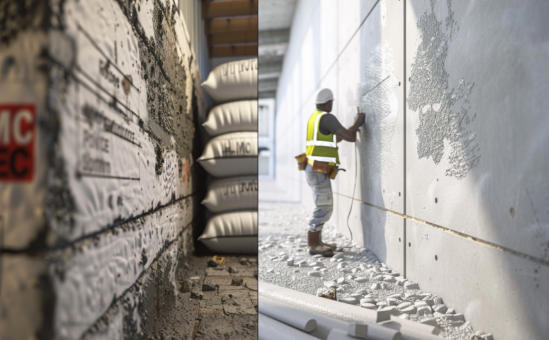
Users select HPMC because it provides a combination of technical, economic, and sustainability advantages.
- Multifunctionality
A single HPMC grade can deliver thickening, water retention, film-forming, and stabilization. This reduces the number of individual additives needed, simplifying supply chains and formulation.
- Performance consistency
Modern manufacturing and quality systems allow precise control of viscosity, substitution level, moisture, and ash content. Consistent HPMC quality leads to stable batch-to-batch performance in end products.
- Safety and regulatory acceptance
HPMC has a long history of use in medicines and foods. It is listed in major pharmacopeias and accepted as a food additive in many countries, giving formulators confidence in its safety profile.
- Versatility across industries
The same basic polymer can be tailored for construction mortars, tablets, capsules, sauces, creams, and many other applications. This versatility makes HPMC a strategic ingredient for manufacturers serving multiple markets.
- Support for sustainability
Derived from cellulose, HPMC comes from renewable raw materials. Its role in improving product durability, reducing waste, and enabling lower-resource formulations supports more sustainable production and use.
- Cost-effectiveness
HPMC is widely available and effective at relatively low dosage levels. Its multifunctionality and reliability can reduce total formulation cost and development time.
Selecting the right HPMC grade is essential for achieving optimal performance in a given application. Important parameters include:
- Viscosity
HPMC is available in a wide viscosity range, usually specified as the viscosity of a defined aqueous solution at a certain temperature. Low-viscosity grades are used where flow and leveling are critical, whereas high-viscosity grades provide strong thickening and water retention in mortars and pastes.
- Substitution pattern
The proportion of methoxy and hydroxypropoxy groups determines solubility, gelation temperature, and compatibility with other formula components. Different substitution patterns are preferred for construction, pharma, or food applications.
- Particle size and dispersibility
HPMC is supplied in various particle sizes and may be surface-treated for delayed solubility. Good dispersibility minimizes lump formation and ensures easy dissolution.
- Purity and regulatory grade
Pharmaceutical- and food-grade HPMC must meet stringent purity, residual solvent, and heavy metal specifications. Construction-grade HPMC focuses on functional performance and workability in dry-mix systems.
Working with a specialized HPMC manufacturer allows formulators to select grades tailored to climate conditions, binder systems, processing methods, and regulatory requirements.
HPMC has an established record of safety based on extensive use in medicines, foods, and personal care products. It is considered non-toxic and non-irritating when used appropriately.
In pharmaceuticals, HPMC is recognized as a standard excipient in multiple pharmacopeias and is used in oral, topical, and ophthalmic dosage forms. In foods, it is approved as an additive (often labeled with an E number in some regions) and functions mainly as an emulsifier, thickener, and stabilizer.
Quality assurance is essential for HPMC used in regulated sectors. Typical quality-control tests include:
- Viscosity of standard solutions
- Degree of substitution and molar substitution
- Moisture content and loss on drying
- Residual solvents and byproducts
- Ash content and inorganic impurities
- Microbiological limits (for sensitive applications)
Reputable manufacturers maintain certification and adhere to good manufacturing practices to ensure consistent quality and safety.
From an environmental perspective, HPMC is derived from cellulose and is not associated with hazardous emissions during normal use. It does not contribute to volatile organic compound (VOC) emissions and can support the development of more sustainable products and processes.
In many applications, HPMC is evaluated alongside other cellulose ethers such as HEMC (hydroxyethyl methylcellulose), MC (methylcellulose), and HEC (hydroxyethyl cellulose).
- Compared with pure methylcellulose, HPMC generally offers improved solubility, higher flexibility in gelation temperature, and better performance across temperature ranges.
- Compared with HEC, HPMC often provides stronger water retention and more robust rheology in cementitious systems, while HEC is widely used in water-based paints and personal care products.
- Compared with HEMC, HPMC has a slightly different balance of water-retention capability and temperature sensitivity, which can be advantageous in specific climatic conditions or binder systems.
Formulators often test several cellulose ethers, including different HPMC grades, to determine which option gives the best overall performance in a specific formulation.
To get the best technical performance from HPMC, there are several practical guidelines:
- Proper dispersion
HPMC should be dispersed in water or water-based systems with good agitation to avoid lump formation. Surface-treated or delayed-solubility grades help improve wetting and allow full dispersion before viscosity builds.
- Order of addition
In dry-mix products, HPMC is typically blended uniformly with other powders. In liquid systems, it is usually dispersed under stirring before adding other viscosity-sensitive components.
- Hydration time
After dispersion, HPMC needs time to hydrate and reach full viscosity. This should be considered when evaluating early viscosity measurements and workability.
- Temperature control
Because HPMC solutions exhibit thermal gelation, process temperatures should be controlled to avoid undesirable gel formation during mixing, pumping, or application.
- Compatibility checks
Although HPMC is non-ionic and compatible with many ingredients, it is good practice to check compatibility with cationic surfactants, salts, and certain actives, especially at high concentrations.
By following these guidelines, formulators can maximize the benefits of HPMC in both existing and new product designs.
Hydroxypropyl methylcellulose (HPMC) is a versatile, non-ionic cellulose ether that combines natural cellulose origins with carefully engineered substitution to deliver powerful functionality in multiple industries. As a thickener, binder, film-former, stabilizer, and water-retention agent, HPMC is indispensable in construction mortars, tile adhesives, plasters, pharmaceutical tablets and coatings, food products, and personal care formulations.
By choosing suitable HPMC grades with defined viscosity and substitution levels, formulators can fine-tune workability, stability, controlled release, texture, and sensory properties in their products. With its strong safety record, regulatory acceptance, cost-effectiveness, and adaptability, HPMC will continue to be a key ingredient for high-performance, reliable, and sustainable formulations across global markets.
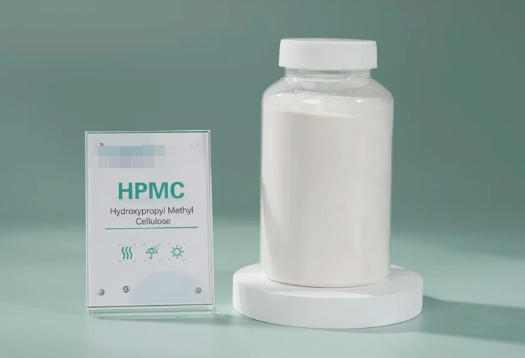
HPMC stands for hydroxypropyl methylcellulose, a chemically modified cellulose ether where some hydroxyl groups on the cellulose chain are replaced by methoxy and hydroxypropoxy groups. This modification transforms natural cellulose into a water-soluble, multifunctional polymer used as a thickener, binder, film-former, and stabilizer in many industries.
Yes, HPMC is widely regarded as safe for human use when produced according to quality standards and used within regulatory limits. It is a common excipient in pharmaceutical tablets, capsules, and eye drops, and it is also approved as a food additive in many countries. Its long history of use and favorable toxicological profile support its safety in both oral and topical products.
In construction materials, HPMC is added to dry-mix mortars, tile adhesives, plasters, self-leveling compounds, and putties to improve water retention, workability, open time, and adhesion. It helps control viscosity, prevents segregation, and ensures better cement hydration, which results in higher bond strength, reduced cracking, and a more uniform, durable surface.
Pharmaceutical companies use HPMC as a binder in tablets, a film-forming agent for coatings, and a matrix former in controlled-release formulations. HPMC hydrates and forms gels that control the disintegration and dissolution of tablets, enabling sustained or controlled drug release. It is also used in capsule shells, ophthalmic products, and topical gels because it is inert, non-ionic, and compatible with many active ingredients.
Choosing the right HPMC grade depends on desired viscosity, substitution pattern, dissolution behavior, and end-use requirements such as water retention, open time, texture, or release profile. For construction, high water-retention and optimized rheology are essential; for pharmaceuticals, controlled viscosity, high purity, and specific substitution levels are critical; for food and personal care, regulatory grade and sensory performance are key. Working with an experienced HPMC manufacturer or technical team helps match HPMC specifications to exact formulation needs.
1. https://en.wikipedia.org/wiki/Hypromellose
2. https://wotaichem.com/the-ultimate-guide-to-hpmc/
3. https://www.hpmc.com/recommend-products/hpmc-cellulose.html
4. https://www.sciencedirect.com/topics/chemistry/hydroxypropyl-methylcellulose
5. https://redox.com/products/hydroxypropyl-methylcellulose-hpmc/
6. https://www.youngcel.com/news/exploring-the-benefits-and-applications-of-hpmc-in-pharmaceutical-and-food-industries.html
7. https://sdshengda.en.made-in-china.com
8. https://www.hpmc.com/recommend-products/hpmc-uses.html
9. https://www.kimacellulose.com/advantages-of-hpmc-in-pharmaceutical-and-food-applications.html
10. https://wotaichem.com/the-ultimate-guide-to-hpmc/
11. https://www.celotech.com/news/application-and-property-of-hpmc/


