


close
Choose Your Site
Global
Social Media
Views: 222 Author: Rebecca Publish Time: 2026-02-02 Origin: Site


Content Menu
● What Is HPMC and Why Do Grades Matter?
● HPMC Grades Classification: The Three Main Dimensions
>> Classification by Viscosity (Low, Medium, High)
>> Classification by Molecular Weight
>> Classification by Degree of Substitution (E, K, F Series)
● Viscosity Grades and Performance: Low vs Medium vs High
● Construction‑Grade HPMC (≈400–200,000 mPa·s)
>> Example Construction Grades and Uses
● Pharmaceutical‑Grade HPMC (K and E Series)
>> Representative Pharma Grades (K Series)
● Food‑Grade HPMC (≈50–10,000 mPa·s)
● Personal Care Grade HPMC (≈3,000–100,000 mPa·s)
● How to Choose the Right HPMC Grade (Step‑by‑Step)
● Market Trends and Innovation in HPMC Grades
● Example – Matching HPMC Grades to Construction Mortars
● Practical Tips for Using HPMC in Formulations
● Where to Use Different HPMC Grade Families
● Strong Call to Action: Partner With a Professional HPMC Manufacturer
>> 1. What is the difference between HPMC viscosity and molecular weight?
>> 2. How do I choose between low, medium and high viscosity HPMC?
>> 3. Why do K4M, E4M and F4M have the same viscosity but behave differently?
>> 4. Can one HPMC grade be used across construction, pharmaceuticals and food?
>> 5. How does climate affect my choice of construction HPMC grade?
Hydroxypropyl methylcellulose (HPMC) is a versatile cellulose ether available in many grades that differ mainly in viscosity, molecular weight and substitution pattern, and choosing the right grade is critical for performance in construction, pharmaceutical, food and personal care formulations. This guide explains HPMC viscosity grades (low, medium, high), common commercial codes (E, K, F series), key application sectors, and practical selection tips so that R&D, buyers and technical teams can quickly match the correct HPMC grade to their specific product.

Hydroxypropyl methylcellulose is a semi‑synthetic, water‑soluble polymer made by chemically modifying natural cellulose with methyl and hydroxypropyl groups. These substitutions change solubility, gel formation, film‑forming ability and viscosity, which is why different grades perform so differently in cement mortars, tablets, sauces or shampoos.
In cold water, HPMC disperses and forms a clear to slightly cloudy solution or gel with specific thickening and binding behavior depending on its molecular weight and substitution pattern. Because HPMC is non‑ionic and generally regarded as safe, it is widely used as a thickener, stabilizer, binder and film former in construction, pharmaceuticals, food and cosmetics.
HPMC grades are typically classified along three key dimensions: viscosity, molecular weight and degree of substitution (DS). Understanding each dimension helps you predict performance before you run expensive lab trials.
Viscosity is the most common way to describe HPMC grades and is usually expressed in mPa·s (centipoise) for a standard solution. Broadly, grades can be grouped as:
- Low viscosity (LV): typically from a few mPa·s to around 100–400 mPa·s, offering low thickening and fast dissolution.
- Medium viscosity (MV): roughly 400–5,000 mPa·s, providing a balance of thickening and flow.
- High viscosity (HV): often 20,000–200,000 mPa·s or higher, used when strong thickening and water retention are required.
In practice, low‑viscosity HPMC is suited to coatings, surface treatments and some pharmaceutical solutions, while high‑viscosity grades dominate in tile adhesives, plasters and controlled‑release matrices.
Molecular weight for HPMC can range from roughly 10,000 up to around 1,500,000, and it correlates strongly with solution viscosity and gel strength.
- High molecular weight HPMC gives high viscosity, strong gel structures and better film strength, which is ideal for slow‑release tablets and heavy‑duty construction mortars.
- Low molecular weight HPMC offers lower viscosity and better flow, preferred for paints, coatings and systems where easy pumping or spraying is important.
The degree of substitution (DS) describes how many hydroxyl groups on the cellulose backbone are replaced by methyl and hydroxypropyl groups. This affects solubility, thermal gelation, film formation and compatibility with other ingredients.
Commercial HPMC grades are often grouped as K, E and F types, which share similar viscosity but differ in substitution level and therefore in performance:
- E series: balanced methoxy/hydroxypropyl substitution, widely used as film formers and matrix materials.
- K series: generally higher hydroxypropyl content, offering stronger gel formation and often used for sustained‑release matrices.
- F series: optimized for film‑forming and coating performance in coatings, adhesives and sometimes coatings for solid dosage forms.
For example, HPMC K4M, E4M and F4M all have similar nominal viscosity around 4,000 mPa·s, yet they show different hydration speed, gel strength and compatibility in real formulations because of their substitution patterns.
The following table summarizes typical performance trends when you move from low‑ to high‑viscosity HPMC grades across industries.
| HPMC viscosity range | Typical mPa·s (25 °C) | Key properties | Typical applications |
|---|---|---|---|
| Low viscosity (LV) | ≈ 5–100 | Fast dissolution, low thickening, good flow | Tablet coating solutions, food stabilizers, surface coatings, sprayable systems |
| Medium viscosity (MV) | ≈ 400–5,000 | Balanced thickening and flow, moderate water retention | Adhesives, emulsion stabilizers, building materials needing moderate viscosity |
| High viscosity (HV) | ≈ 20,000–200,000 | Strong thickening, excellent water retention, high gel strength | Tile adhesives, mortars, plasters, controlled‑release tablets, putty and renders |
This structure helps formulators choose whether they should start screening with low, medium or high viscosity grades before fine‑tuning within a specific product series.
Construction is one of the largest consumers of HPMC, especially in cement‑ and gypsum‑based dry‑mix products. In these systems, construction‑grade HPMC improves water retention, workability, open time and sag resistance, and also helps reduce cracking and shrinkage.
Typical construction applications include:
- Tile adhesives and tile grouts
- Cement and gypsum plasters
- Skim coats and wall putty
- Self‑leveling underlayments
- Exterior insulation and finish systems (EIFS)
Common grade families such as HPMC E5, E15, F50 or F4000 differ in viscosity level and substitution so they can fine‑tune open time, slip resistance, and troweling feel according to climate and substrate conditions.
| Grade code (example) | Relative viscosity | Typical use focus |
|---|---|---|
| HPMC E5 | Lower | Improves consistency and workability in cement mortars, basic tile adhesives and repair mortars |
| HPMC E15 | Higher than E5 | High‑performance cement mortars, tile adhesives and plasters that require better fluidity, crack resistance and adhesion |
| HPMC F50 | Film‑forming oriented | Used in coatings, paints and adhesives where good film formation and leveling are needed |
| HPMC F4000 | High | Gypsum plasters and cement‑based products requiring excellent water retention and higher viscosity |
In hot climates or summer construction, higher‑viscosity HPMC is often selected to maintain water retention and open time when evaporation is rapid, whereas in colder seasons, slightly lower viscosity can improve workability and reduce over‑thickening.
Pharmaceutical‑grade HPMC serves as a binder, film former and matrix former in tablets, capsules and oral liquids, and it is also a key polymer in controlled‑release and sustained‑release formulations. Viscosity and substitution strongly influence drug release rate, tablet hardness and coating quality.
Typical pharmaceutical uses include:
- Tablet film coating and decorative coating
- Tablet binding and granulation
- Matrix former for sustained‑release tablets
- Thickener in oral suspensions and syrups
- Ophthalmic lubricants and eye drops
| Grade | Nominal viscosity (mPa·s) | Main functions and use notes |
|---|---|---|
| HPMC K4M | ≈ 4,000 | High‑viscosity matrix former for slow‑release tablets and thickening in oral liquids and suspensions |
| HPMC K15M | ≈ 15,000 | Used where moderate to high viscosity is needed with faster drug release than K100M and easier processing |
| HPMC K100M | ≈ 100,000 | Provides strong thickening and robust gel matrices for very slow‑release tablets and high‑viscosity systems |
Higher‑viscosity grades like K100M build strong gels and slow down diffusion of the active ingredient, while medium grades like K15M balance film formation and release speed when a faster but still controlled profile is desired.
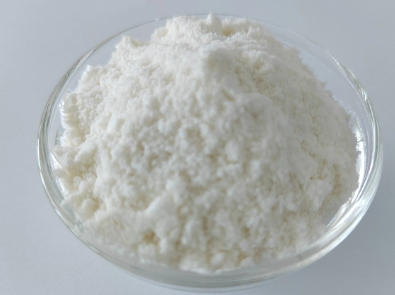
Food‑grade HPMC is mainly used as an emulsifier, stabilizer and thickener, especially in systems where a plant‑based, non‑ionic polymer is preferred. It does not add nutritional value but can greatly improve texture and stability in processed foods.
Typical food applications include:
- Bakery products for improved volume, crumb softness and moisture retention
- Dairy analogues and beverages for suspension stability and mouthfeel
- Gluten‑free dough products for structure building and elasticity
- Sauces and dressings for emulsification and viscosity control
Viscosity selection in food systems must balance processing (pumping, filling, spraying) with the desired final texture, so formulators often start with low‑ to medium‑viscosity grades and adjust based on line capability and sensory results.
Personal care and cosmetic HPMC grades are optimized for clarity, smooth texture and stability in water‑based systems. They are widely used as rheology modifiers and film formers.
Key applications include:
- Hair care products such as shampoos, conditioners and styling gels
- Skin care products including lotions, creams and serums
- Decorative cosmetics like mascaras and eyeliners
- Oral care products such as toothpastes and mouthwashes
Available viscosity ranges around 3,000–100,000 mPa·s allow formulators to choose between light, easy‑pouring liquids and thicker gels or creams, while maintaining good compatibility with surfactants and active ingredients.
To maximize performance and cost‑effectiveness, formulators should follow a structured selection process rather than choosing grades purely by price or habit. The following practical steps can guide you.
1. Define the application and performance targets.
Construction: open time, slip resistance, workability, water retention, strength.
Pharmaceutical: release profile, tablet hardness, coating quality, viscosity of solutions.
Food or personal care: texture, clarity, stability, processing conditions.
2. Select a viscosity range (LV, MV, HV).
Start from typical viscosity intervals used in your industry and product type, then fine‑tune based on trial batches.
3. Choose substitution type (K, E, F series).
For controlled‑release pharmaceutical systems, K‑type HPMC is often preferred; for coatings or film‑forming systems, E or F types may be better.
4. Check processing conditions.
Consider mixing equipment, water temperature, pH and other ingredients that may affect hydration speed and solution stability.
5. Run small‑scale lab trials.
Evaluate viscosity, flow, stability, mechanical properties and end‑use performance such as tile slip or tablet dissolution.
6. Optimize and scale.
After selecting a working grade, adjust dosage and blending parameters, then confirm performance in pilot and full‑scale production.
Working closely with an experienced cellulose ether manufacturer allows you to reduce the number of trial rounds and quickly converge on the most suitable HPMC grade for your formulation.
The global HPMC market is experiencing steady growth, driven mainly by construction, pharmaceuticals and personal care. Construction demand is supported by infrastructure and real estate development, especially in emerging markets, while pharmaceutical growth is tied to sustained‑release drugs and plant‑based excipients.
Current industry trends include development of specialty HPMC grades with tailored viscosity profiles and substitution patterns for high‑performance tile adhesives, self‑leveling and EIFS systems. There is also growing demand for HPMC in green building materials and sustainable formulations, where water retention and crack reduction improve durability and energy efficiency.
In pharmaceuticals and personal care, demand is expanding for cleaner‑label and plant‑based polymers, and HPMC fits well into this direction as a cellulose‑derived, non‑ionic polymer with a long history of safe use. These trends create opportunities for manufacturers who can offer consistent quality, application‑specific technical support and customized cellulose ether solutions.
To make the concept of HPMC grades more practical, the table below shows a typical matching approach for different dry‑mix mortar products.
| Product type | Recommended viscosity range | Key HPMC functions | Notes for grade selection |
|---|---|---|---|
| Tile adhesive (C1/C2) | Medium–high (20,000–60,000 mPa·s) | Water retention, open time, anti‑slip | Higher viscosity for vertical tiles and hot climates |
| Skim coat / wall putty | Medium (20,000–40,000 mPa·s) | Workability, crack resistance, smooth finish | Balance sandability and hardness |
| Gypsum plaster | Medium–high (30,000–80,000 mPa·s) | Water retention, sag resistance | Adjust for setting time and substrate absorbency |
| Self‑leveling compound | Low–medium (5,000–25,000 mPa·s) | Anti‑segregation, controlled flow | Avoid too high viscosity that blocks leveling |
| EIFS adhesive/base coat | High (60,000–150,000 mPa·s) | Strong adhesion, thixotropy, water retention | Choose grades that maintain stability in polymer‑modified systems |
This type of mapping helps R&D teams quickly shortlist two or three candidate HPMC grades for each product line and then refine choices based on field test feedback.
Correct handling of HPMC is just as important as choosing the right grade, especially in high‑shear or large‑scale production environments.
- Disperse before dissolution: slowly add HPMC powder into vigorously stirred cold water to avoid lumping and ensure uniform hydration.
- Control water temperature: very warm water can accelerate hydration and form surface gels too early; start with cold water for better dispersion, then adjust as needed.
- Consider pH: HPMC is stable in a wide pH range but extreme pH and certain salts can affect viscosity and solution clarity.
- Blend with other additives: in construction, combine with starch ethers, redispersible powders or air‑entraining agents to fine‑tune open time and workability; in pharmaceuticals and food, adjust plasticizers, fillers and surfactants.
Proper processing helps you achieve the full performance potential of your selected HPMC grade while minimizing waste and variability.
The following table summarizes typical uses of key HPMC grade families across industries.
| Grade family | Typical viscosity range | Main industries | Typical functions |
|---|---|---|---|
| E‑series (E3, E5, E15, E50, E4M) | Low to high | Pharmaceuticals, construction, food | Binder, film former, matrix former, thickener |
| K‑series (K4M, K15M, K100, K100M) | Medium to very high | Pharmaceuticals, industrial | Controlled‑release matrix, thickener, stabilizer |
| F‑series (F50, F4M etc.) | Medium to high | Coatings, adhesives, construction | Film formation, viscosity control, water retention |
| Personal care grades | ≈3,000–100,000 | Hair and skin care, cosmetics | Rheology modifier, stabilizer, film former |
| Food grades | ≈50–10,000 | Bakery, dairy analogues, beverages | Emulsifier, thickener, stabilizer |
Knowing these typical roles helps technical and purchasing teams communicate clearly with HPMC suppliers when specifying grades for new or existing products.
Selecting the right HPMC grade and using it correctly can significantly improve the performance, stability and cost‑effectiveness of your products. If you are planning new formulations or want to upgrade existing tile adhesives, mortars, tablets, foods or personal care products, working with an experienced cellulose ether producer will help you move faster and reduce risk.
Shandong Shengda New Material Co., Ltd. focuses on high‑quality HPMC, HEMC and HEC for construction, pharmaceuticals, food and personal care applications, and our technical team can recommend suitable grades, support lab and field trials, and provide stable, long‑term supply. Contact us now with your formulation details to get tailored HPMC grade suggestions, request free evaluation samples, and start improving the performance and reliability of your products today.
Contact us to get more information!
Viscosity is a macroscopic measurement of solution thickness, while molecular weight is a molecular property that largely determines viscosity but is not identical to it. For formulators, viscosity is usually the primary specification, and molecular weight is controlled indirectly through viscosity grade selection.
Choose low‑viscosity grades when you need fast dissolution and low thickening, medium viscosity for balanced flow and structure, and high viscosity when you require strong water retention or gel strength. Always verify by lab trials, because other ingredients and processing conditions can shift the apparent viscosity in your system.
Although these grades share similar nominal viscosity, their methoxy and hydroxypropyl substitution levels differ, which affects hydration behavior, gel structure, thermal gelation and compatibility with actives and excipients. As a result, they may show very different release profiles or handling properties even at the same viscosity level.
In theory the same chemical can appear in multiple applications, but pharmaceutical and food uses must comply with strict pharmacopeial or food additive standards and regulatory requirements. For safety, quality and compliance, it is better to use dedicated pharmaceutical‑grade or food‑grade HPMC for sensitive applications and industry‑specific grades for construction or industrial products.
In hot, dry or windy climates, you typically need higher‑viscosity HPMC with strong water retention to prevent premature drying and loss of workability. In cooler or humid conditions, slightly lower viscosity can maintain good troweling and reduce stickiness while still providing adequate adhesion and open time.
1. https://www.kimacellulose.com/learn-about-different-hpmc-grades-and-their-applications.html
2. https://www.hpmcproducer.com/news/understanding-hpmc-viscosity-grades-a-comprehensive-guide/
3. https://www.kdochem.com/news/understanding-the-different-hpmc-grades-and-their-applications.html
4. https://www.kimacellulose.com/understanding-the-different-grades-of-hpmc-a-comparison-of-e5-and-e15.html
5. https://www.hpmc.com/company-news/understanding-hpmc-and-its-key-properties.html
6. https://www.meskajoinway.com/technical-blogs/how-to-choose-the-right-grade-of-hpmc-for-pharmaceutical-applications/
7. https://www.meskajoinway.com/technical-blogs/understanding-the-difference-between-hpmc-k100m-and-k15m/
8. https://www.strategicmarketresearch.com/market-report/hydroxypropyl-methylcellulose-market


